Minimal Cactus Line Art SVG: A Versatile Graphic for Local Branding and Packaging
First Impressions: A Subtle Yet Memorable Visual Accent
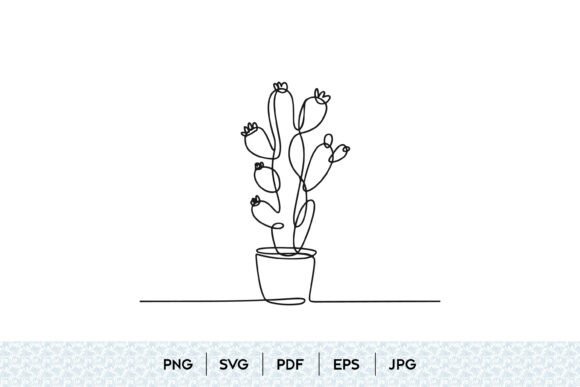
The Minimal Cactus Line Art SVG immediately strikes a balance between modern simplicity and organic charm. As a brand designer, I see this design as a quiet but effective visual tool that conveys a sense of calm, eco-friendliness, and contemporary craftsmanship. It leans toward a soft, modern, and slightly playful tone, making it ideal for small businesses that want to project approachability without sacrificing sophistication.
Its minimalist one-line structure gives it a clean, almost meditative quality, which could work beautifully for brands in the wellness, botanical, or artisanal spaces. It doesn’t scream for attention but rather enhances the visual story of a brand with subtlety and grace.
Brand Personality Match: From Skincare to Specialty Coffee
This type of graphic design asset is especially well-suited for brands that want to communicate a natural, handcrafted, or sustainable identity. Think of a local skincare brand using it on product labels, a boutique coffee shop incorporating it into packaging, or a handmade soap business adding a touch of warmth to thank-you cards.
- Natural skincare brands
- Boutique coffee shops
- Florists and plant-based businesses
- Artisanal food and beverage labels
- Seasonal product packaging
The cactus motif subtly nods to resilience and growth—perfect for a small business that wants to convey authenticity and long-term value to its customers.
Real-World Use Cases for Local Business Branding
In practical terms, the Minimal Cactus Line Art SVG shines in a variety of branding and packaging applications. Here are a few key use cases I’ve tested or recommended for small business clients:
- Product labels – Adds a subtle botanical accent without overpowering product information
- Packaging accents – Works well as a corner embellishment or repeated pattern on wrapping paper
- Hang tags – A great visual touch for boutique clothing or artisan goods
- Thank-you cards – Adds a personal, handcrafted feel to customer correspondence
- Social media graphics – Perfect for seasonal posts or brand storytelling visuals
- Website banners – Offers a consistent visual thread across digital and physical branding
Its SVG format makes it highly adaptable for both print and digital design workflows, especially when used in tools like Canva, Illustrator, or Photoshop.
Supporting Business Presentation and Customer Trust
One of the most important aspects of small business branding is consistency and clarity. The Minimal Cactus Line Art SVG contributes to a stronger brand presence by enhancing visual hierarchy and reinforcing brand identity across touchpoints.
For example, using this design in a cohesive way across packaging and promotional materials can:
- Create a stronger first impression on shelves or online
- Improve product recognition through visual repetition
- Enhance brand trust with a polished, professional look
- Strengthen emotional connection through subtle design storytelling
It’s not just about aesthetics—it’s about how design choices translate into real-world customer engagement and brand loyalty.
Where This Graphic Design Asset Works Best
The Minimal Cactus Line Art SVG excels in contexts where subtlety meets impact. Here are the top applications where it adds the most value:
- Product labels – Especially for botanical, natural, or handmade goods
- Packaging accents – Adds visual interest without competing with product copy
- Hero graphics – Ideal for seasonal or promotional packaging
- Decorative brand elements – Used in digital and print marketing
- Promotional banners – Works well in social media and email headers
Its versatility makes it a solid choice for small businesses looking to build a cohesive brand presence without overdesigning.
When to Use It with Caution
While the Minimal Cactus Line Art SVG is highly adaptable, there are certain design contexts where it should be used carefully:
- Formal corporate branding – May feel too casual or informal
- Very small labels – Details may be lost at tiny sizes
- Crowded product packaging – Could get lost among other design elements
- Ingredient-heavy layouts – May distract from important text
- Low-contrast backgrounds – May become invisible if not adjusted
As with any design asset, it’s important to consider the overall visual hierarchy and ensure the cactus illustration supports—not competes with—the brand message.
Designer Notes: Practical Tips for Real-World Application
Before finalizing any branding or packaging project, I recommend testing the Minimal Cactus Line Art SVG in the following ways:
- Test on real packaging mockups – See how it looks in context
- Check black and white usage – Ensure it still reads well without color
- Preview on small labels – Confirm legibility at reduced sizes
- Test with brand colors – Make sure it complements your palette
- Compare with competitor packaging – Ensure it stands out in your market
- Check print quality – Verify line clarity and resolution
- Review PNG transparency – Essential for overlaying on backgrounds
- Inspect SVG or vector editability – Especially important for logo integration
- Test with different fonts – Ensure it pairs well with serif, sans-serif, script, or display styles
- Confirm commercial licensing – Always verify usage rights before client or product use
These steps ensure that the design asset enhances your small business branding rather than complicating it.
Final Thoughts: A Thoughtful Addition to Any Local Brand’s Toolkit
The Minimal Cactus Line Art SVG is more than just a trendy design—it’s a practical, versatile graphic design asset that can elevate local business branding with minimal effort. Whether used in packaging, digital marketing, or printed promotional materials, it offers a quiet but powerful way to reinforce brand personality and build customer trust.
For small business owners, handmade sellers, and creative entrepreneurs, investing in quality design assets like this can make a significant difference in how your brand is perceived. It’s a subtle but meaningful part of building a professional, consistent, and emotionally resonant brand identity.