Continuous Line Design of House – A Designer’s Honest Review for Real Embroidery Projects
First Impressions: Simple Yet Distinctive
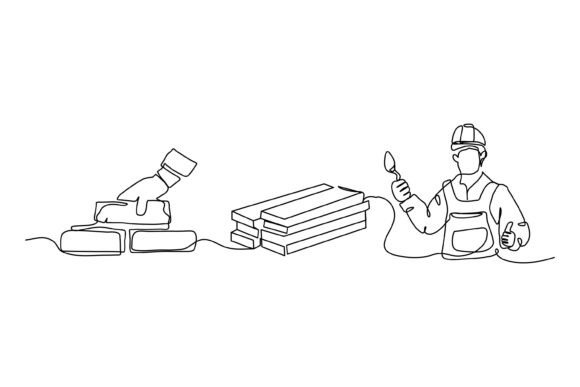
When I first opened the Continuous Line Design of House, I was struck by how much character a single line could convey. It's minimalist but not boring, clean but not cold. The white background makes it versatile, and the continuous nature of the line gives it a hand-drawn charm that works especially well for handmade and boutique-style items.
This design reads as modern, approachable, and slightly whimsical. It doesn’t scream for attention, but it definitely holds its own in visual storytelling. For embroidery designers and small shop owners, that’s a valuable trait—especially when creating understated, lifestyle-oriented designs for tote bags, nursery decor, or personalized gifts.
Real-World Use: From Sweatshirts to Baby Clothes
I tested the Continuous Line Design of House on a few different items—starting with a custom embroidered tote bag. The design translated well into stitching, maintaining its fluidity and shape without looking stretched or distorted. The single line held up beautifully on medium-weight cotton canvas with a basic stabilizer and standard embroidery thread.
Next, I applied it to a sweatshirt. The thicker fabric actually enhanced the design’s presence—it gave it a more substantial feel, which is great for apparel decorators looking to add a subtle but intentional detail. I also tried it on a baby onesie, and while the scale was smaller, the design retained clarity. It didn’t get lost in the folds or seams, which is a common issue with more detailed graphics.
- Worked well on tote bags
- Felt right at home on sweatshirts
- Subtle enough for baby clothes
- Looks clean on embroidered patches
Where to Be Cautious: Fabric and Fit Matter
As with any single-line design, Continuous Line Design of House can be sensitive to fabric texture and tension. I noticed on a thinner cotton fabric, the stitches pulled slightly, distorting the line. A tighter stabilizer helped, but it’s something to test before committing to a final product.
Dark fabrics were a mixed bag. The design was originally drawn on white, so reversing it for black or navy backgrounds required some thread color adjustments. I found that white or light gray thread gave the best contrast without overpowering the simplicity of the line.
It’s also worth noting that curved surfaces like caps or rounded pillow covers can challenge the design’s integrity. The line needs to flow without interruption, and fabric drape can sometimes affect that. Small hoop sizes also limit how much of the design you can capture, so make sure your hoop is large enough to fit the full house shape.
Visual Appeal and Project Value
From a design standpoint, this illustration brings a quiet elegance to embroidered goods. It’s not flashy, but it’s memorable. For Etsy sellers and craft entrepreneurs, that’s a strong combo—especially when building a cohesive brand or product line around handmade items.
Using Continuous Line Design of House in a finished product can elevate the perceived value. Customers tend to respond well to clean, intentional details that feel thoughtfully designed rather than mass-produced. Whether it’s on a personalized kitchen towel or a boutique sweatshirt, this design adds a touch of curated charm.
It also works well for gift items. The house theme is universal and familiar, yet this version feels unique. It has a nostalgic, almost storybook quality that makes it appealing for baby showers, housewarming gifts, or even holiday cards with an embroidered accent.
Designer Notes: Test Before You Commit
Here are a few practical tips I picked up while working with this design:
- Test on scrap fabric—especially if you're using a new stabilizer or thread color.
- Check stitch density—this design is simple, but you still want to avoid puckering or pulling.
- Try it in black and white mockups to see how it reads on different fabric tones.
- Confirm hoop size before starting—this design works best when it has room to breathe.
- Review small details under magnification to ensure clarity after stitching.
- Use proper stabilizer—medium-weight tear-away worked best for me across multiple fabric types.
- Check licensing—especially if you plan to sell finished items or digital embroidery files.
Final Thoughts: A Versatile Addition to Your Design Kit
Continuous Line Design of House is a solid choice for embroidery designers and small business owners looking for a clean, recognizable motif that works across multiple product types. It’s especially well-suited for those building a curated brand or offering personalized, handcrafted items that stand out in a crowded market.
Whether you're creating a custom embroidered patch, a holiday-themed tea towel, or a boutique sweatshirt, this design brings a quiet confidence to your finished product. It’s not overly trendy, but it feels modern and thoughtful—qualities that customers notice and appreciate.
If you're in the market for a digital embroidery file that’s easy to work with, scalable, and adaptable to different fabrics and uses, Continuous Line Design of House deserves a spot in your design toolkit.