Daisy Flower Line Art Illustration: A Versatile Graphic for Bloggers & Publishers
First Impressions: Clean, Feminine, and Editorial-Ready
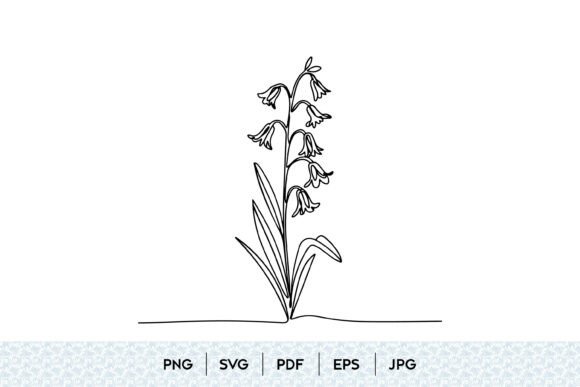
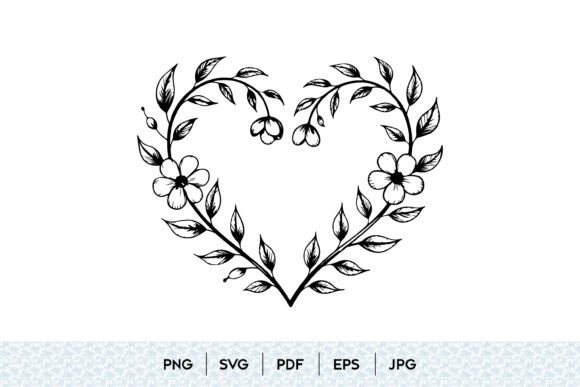
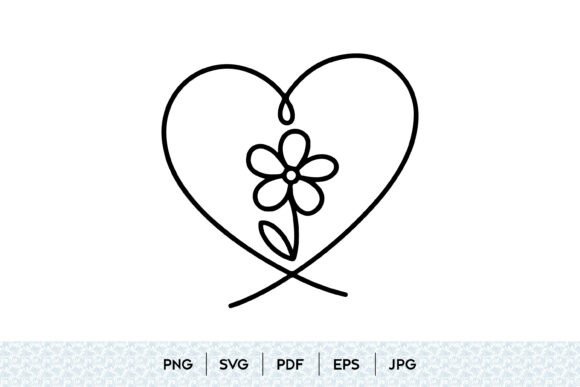
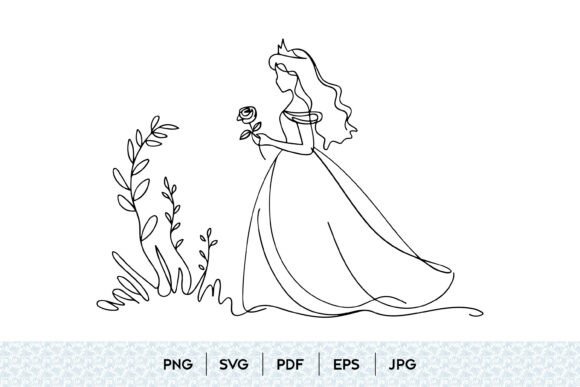
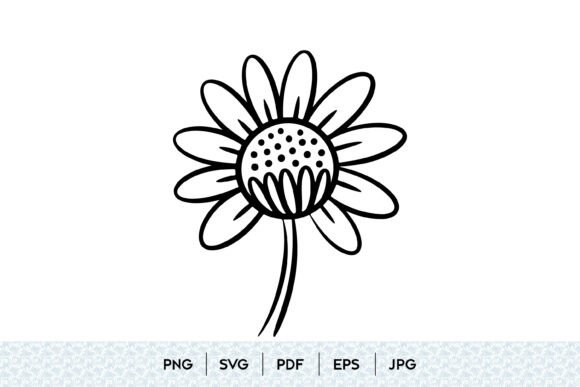
Opening the Daisy Flower Line Art Illustration pack, I was immediately struck by the simplicity and elegance of the design. The clean, minimalist line work evokes a soft, botanical aesthetic that feels both artistic and accessible. It’s the kind of illustration that whispers rather than shouts—perfect for content creators aiming to convey a gentle, nature-inspired tone.
This design asset leans into a lifestyle and editorial vibe, making it ideal for niches like wellness, self-care, home decor, gardening, and light lifestyle blogging. It doesn’t scream bold or modern, but instead offers a soft, feminine touch that pairs beautifully with content focused on calm, creativity, and connection.
Real Publishing Use Cases: From Pinterest to Printables
As a blog designer, I’m always on the lookout for graphics that can do double or triple duty across content formats. The Daisy Flower Line Art Illustration fits the bill. Here’s how I’d deploy it across a real publishing workflow:
- Blog Featured Images: Use the SVG or PNG file as a subtle background accent or sidebar graphic in light-themed blog posts.
- Pinterest Graphics: Layer the illustration behind text for a soft, botanical overlay that enhances visual appeal without overwhelming the message.
- Email Newsletters: Incorporate the line art into newsletter headers or callout boxes to add visual warmth and editorial polish.
- Downloadable Resources: This design shines in digital guides, worksheets, or printables where a gentle, nature-inspired aesthetic supports the content’s purpose.
- Social Media Visuals: Perfect for quote graphics, story highlights, or post headers that need a touch of organic flair without sacrificing professionalism.
- Canva Templates: Add this asset to your Canva toolkit for quick, cohesive design elements across blog banners, lead magnet visuals, and more.
Boosting Content Performance with Visual Consistency
In content marketing, visuals are more than decoration—they’re part of the storytelling. The Daisy Flower Line Art Illustration contributes to a stronger visual hierarchy by offering a consistent design language across different content formats.
Used across a blog or digital product line, this illustration helps build a recognizable visual identity. Readers begin to associate the soft, botanical style with your brand, which increases trust and recall. It also enhances the click-through potential of Pinterest pins and social media posts by creating a more inviting, visually cohesive thumbnail.
For affiliate marketers and digital educators, this design asset can elevate lead magnets and media kits, making them feel more premium and intentional. It’s not just about looking good—it’s about performing better through design.
Where This Design Asset Shines
Here are the top placements where the Daisy Flower Line Art Illustration truly comes to life:
- Article Thumbnails: Especially effective in lifestyle and creative niches where a soft, organic look supports the editorial tone.
- Newsletter Headers: Adds a touch of sophistication without overpowering the layout.
- Content Upgrades: Works well in downloadable printables, checklists, and guides that benefit from a warm, approachable design.
- Blog Graphics: Ideal for sidebar banners, quote blocks, and infographic elements that need a light botanical accent.
- Social Media Previews: Enhances the visual appeal of post thumbnails and quote graphics on platforms like Instagram and Pinterest.
When to Use with Care
While the Daisy Flower Line Art Illustration is versatile, it’s not a one-size-fits-all solution. Here are some situations where it may not be the best fit:
- Small Mobile Thumbnails: The fine lines can get lost at smaller sizes, reducing visual impact.
- Text-Heavy Blog Images: The design may compete with text overlays, especially if the background isn’t light enough.
- Low-Contrast Backgrounds: The white or light-colored lines can disappear on muted or pastel backdrops.
- Busy Layouts: In visually dense editorial layouts, this graphic might not stand out enough to justify its use.
- Corporate or Minimalist Websites: For serious B2B or tech-focused niches, this floral design might feel out of place.
Publisher’s Checklist: Practical Design Notes
Before deploying the Daisy Flower Line Art Illustration in your next content project, here are a few key tests and checks to run:
- Test on Desktop and Mobile Screens: Ensure the line art remains legible and visually effective across devices.
- Preview as a Thumbnail: Check how the design holds up in small preview sizes, especially for Pinterest and blog thumbnails.
- Place in Real Blog Layouts: Drop the graphic into your actual blog theme to see how it interacts with fonts, spacing, and other visual elements.
- Overlay with Headline Text: Make sure the illustration doesn’t interfere with text readability or visual hierarchy.
- Try in Black and White: Test the design in grayscale to see how it performs without color cues.
- Pair with Different Fonts: See how it looks next to serif, sans-serif, script, and display fonts to ensure design harmony.
- Check File Size and Compression: Optimize the PNG and JPG files for fast loading without sacrificing quality.
- Verify Licensing: Confirm the design comes with a commercial license for use in monetized content, affiliate marketing, and digital products.
Final Thoughts: A Thoughtful Addition to Any Creative Publisher’s Toolkit
The Daisy Flower Line Art Illustration isn’t a flashy graphic, but that’s exactly what makes it valuable. In a world of bold gradients and maximalist visuals, this minimalist design stands out by offering a quiet, elegant alternative that supports content rather than distracts from it.
For bloggers, digital educators, and content creators who want to maintain a cohesive, editorial-quality visual brand, this design asset is a smart, flexible choice. Whether you’re building a Canva template library, designing a digital guide, or crafting a Pinterest strategy, the Daisy Flower Line Art Illustration can help your content feel more intentional, trustworthy, and polished.